
The thesis, worked through one post at a time.
Our 2026 Channel Forecast sets out the whole argument in one piece: the software category has been structurally repriced, the work partners used to bill for is moving into the platforms, and what is left is ownership of the customer's workflow outcome. This series takes that argument apart and works through it a post at a time, in the order the shifts are arriving, with what each one asks of a partner serving the SMB-to-Corporate market.
Eight posts are planned. They are written to be read in order, and they are listed that way below.
Read the 2026 Channel Forecast firstPublished so far
The origin piece
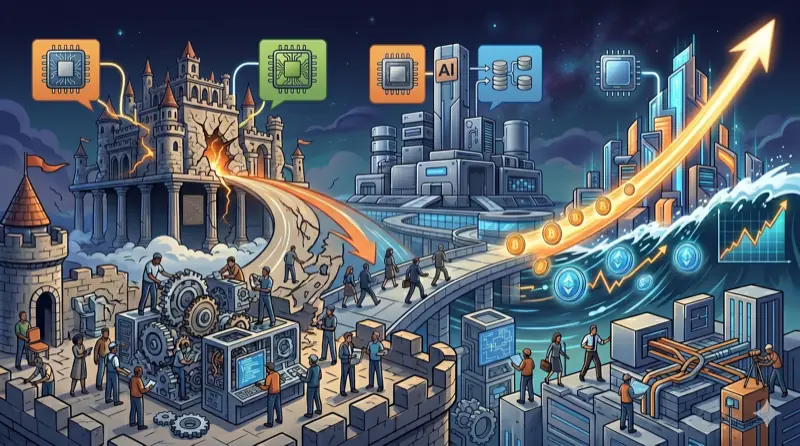
The Alliance Shift: What It Means for Microsoft Partners
Anthropic's $200 billion commitment to Google Cloud reorganized the AI market into three infrastructure alliances. Microsoft partners are inside the one whose compute economics are weakening.
Post 1 of 8
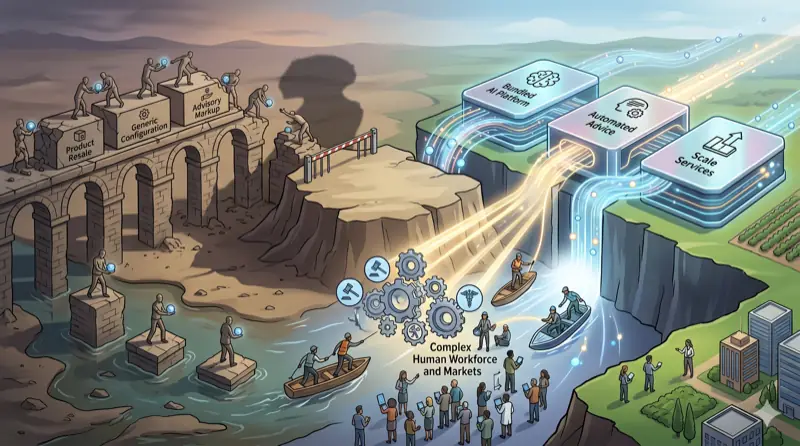
The AI Value Chain Is Being Redrawn
OpenAI and Anthropic stood up services arms a day apart, and the hyperscalers are bundling AI into platforms customers already buy. Both moves are rational, and both shift where partners earn.

Post 2 of 8
Intelligence Is Commoditizing. Your Margin Is the Casualty.
Accenture and the largest IT-services firms repriced together in a day. The structural half of that story reaches down-market, into the SMB-to-Corporate accounts a channel partner serves.
Post 3 of 8
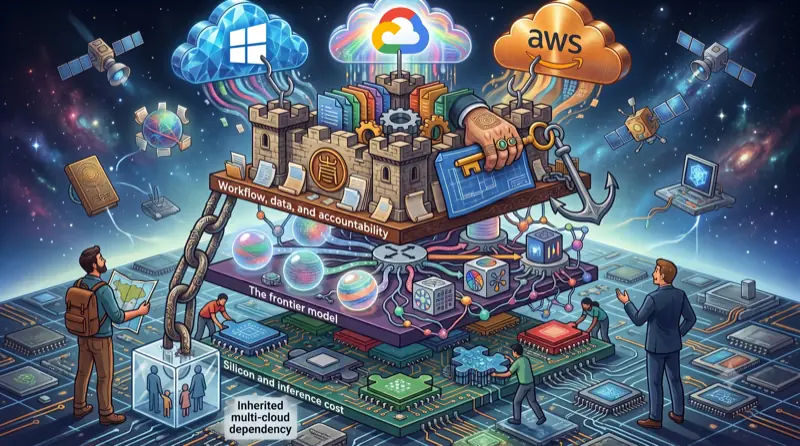
Don't Marry the Model
The pull toward standardizing on one AI ecosystem is real, and it is strongest where it looks most rational. Why a partner should keep silicon, model and workflow sovereign anyway.

Post 4 of 8
Your Agentic Workforce Has a Wage Bill. Almost No One Is Managing It.
The subsidy that made AI feel free is ending, and the bill now arrives priced by the unit consumed. Governing what a customer's agents spend is becoming a partner service line.
Post 5 of 8
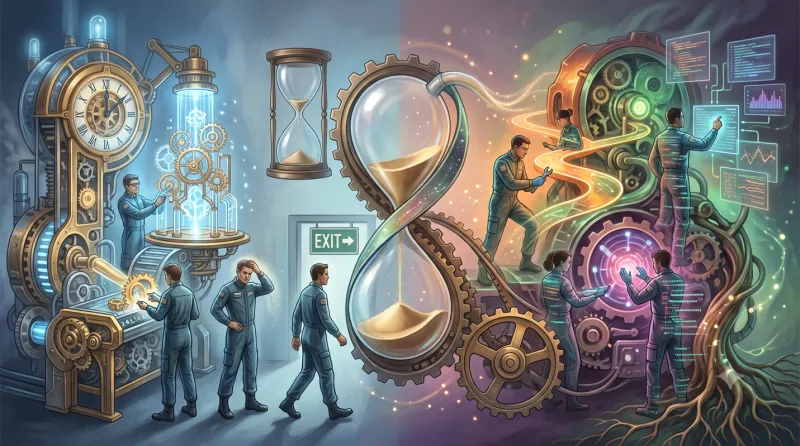
The Project Ends. The Workflow Doesn't.
The people who understand the technology best are choosing to stay inside the customer rather than build and leave. The partner operating model is following: from build-and-exit to embedded operator.
Post 6 of 8
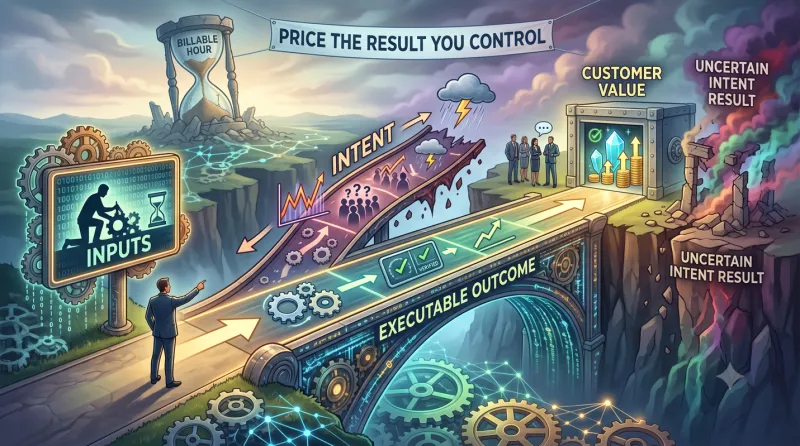
Price the Outcome You Control, Not the One You Can't.
McKinsey now ties about a quarter of its global fees to client outcomes. For a channel partner, outcome pricing pays or buries you on one distinction: intent versus execution.
Post 7 of 8
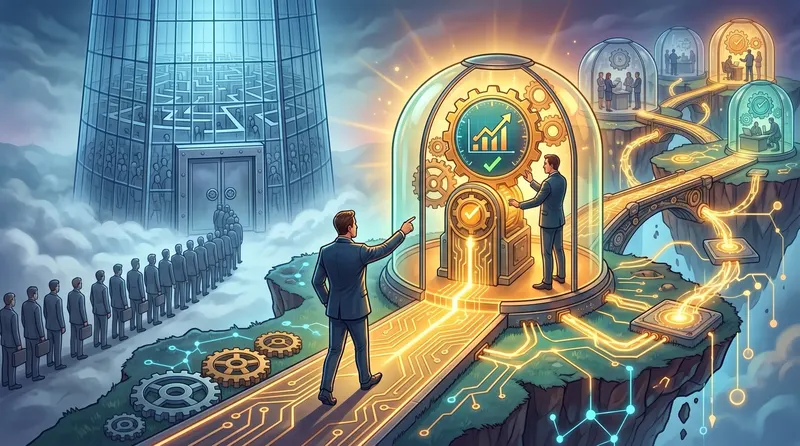
Sell to the Function That Owns the Number.
AI spending is running up nearly 50% while the software line was revised down. The budget moved into the operating budgets of the functions being automated, and the buyer moved with it.
The rest of the cadence
The remaining posts in the series of 8, with the ground each one covers. They publish as Dana finishes them, so there are no dates against them yet.
-
Post 8
Regulated verticals: the moat platforms will not enter
Where accountability outranks cost per token, and why that is the most durable ground the series covers.
How does this read against your own numbers?
We benchmark partner businesses against the channel as it is actually repricing, then help move the model onto the layer that compounds. A short conversation is usually enough to tell whether there is something worth pursuing.